Designing Kid-Friendly Outdoor Spaces That Adults Will Love Too
Share
Creating an outdoor space that’s fun for kids while remaining stylish and functional for adults can be a rewarding design challenge. The key is to balance playfulness with practicality, ensuring the area meets the needs of every family member. Here are some tips and ideas for designing a kid-friendly outdoor space that adults will enjoy as well.
1. Create Zones for Activities
Divide your outdoor space into distinct zones to accommodate different activities and age groups. This ensures kids have a dedicated play area while adults can relax or entertain.
- Play Zone: Designate an area with swings, a playhouse, or sandbox for younger children. For older kids, consider a sports net, climbing wall, or trampoline.
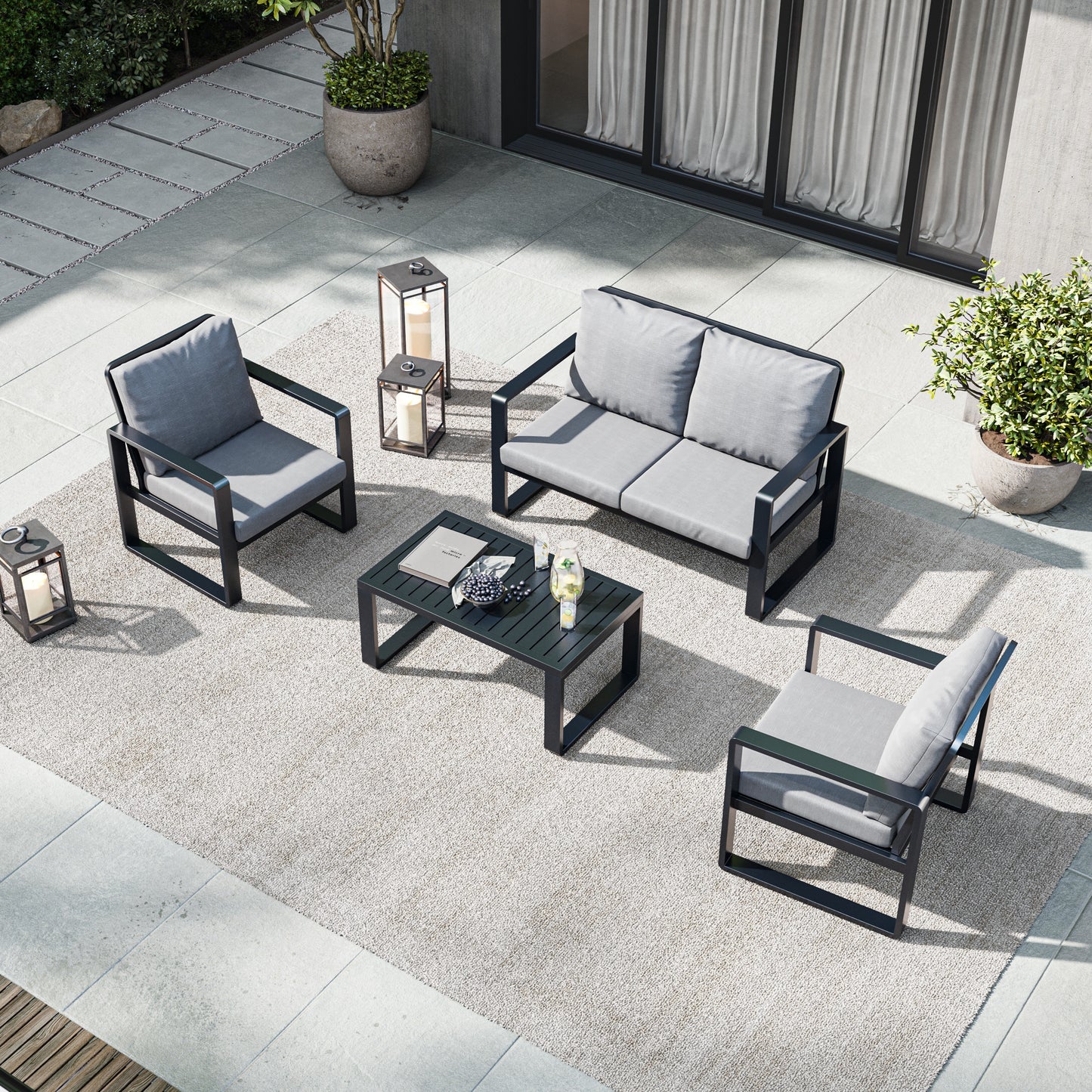
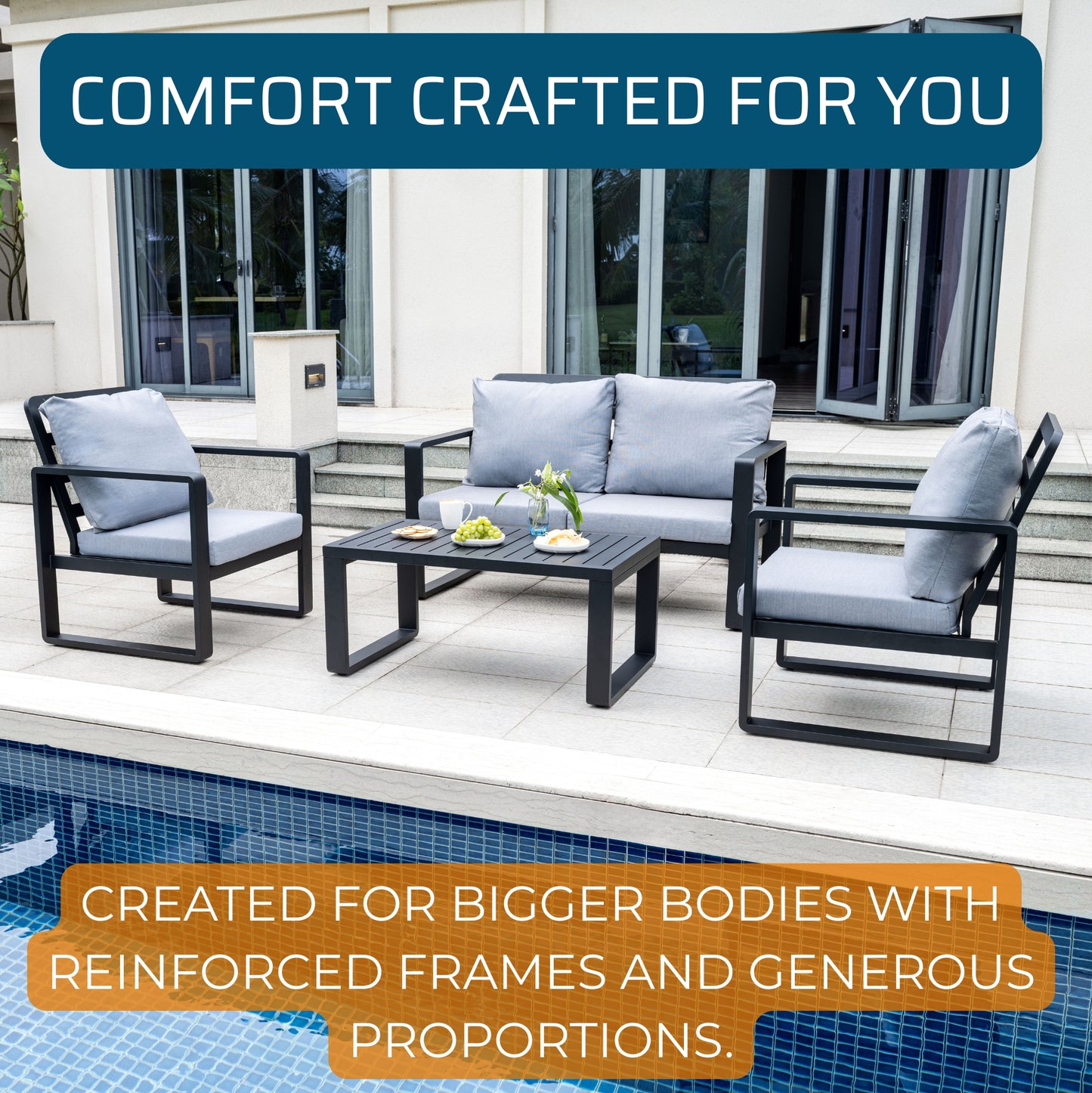
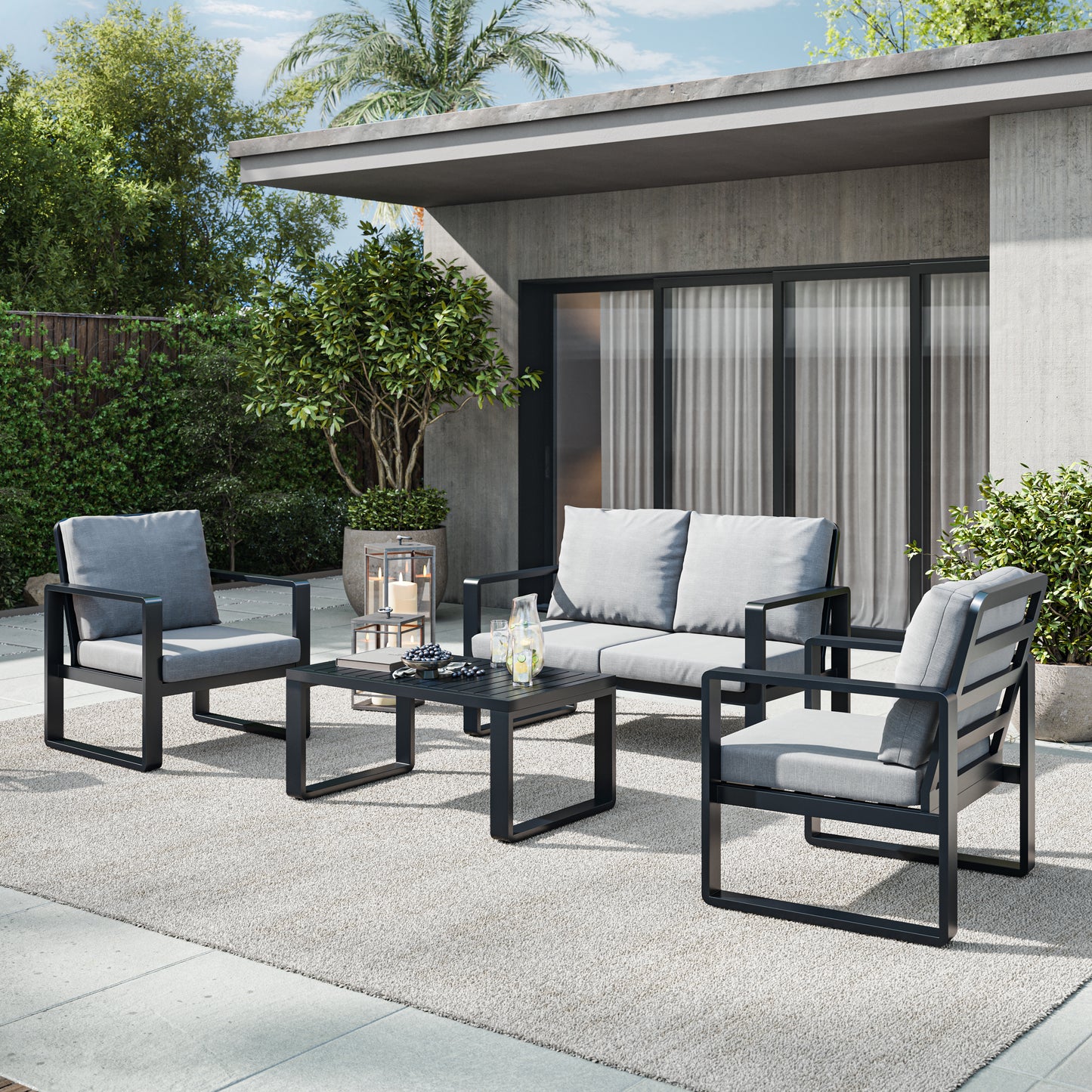
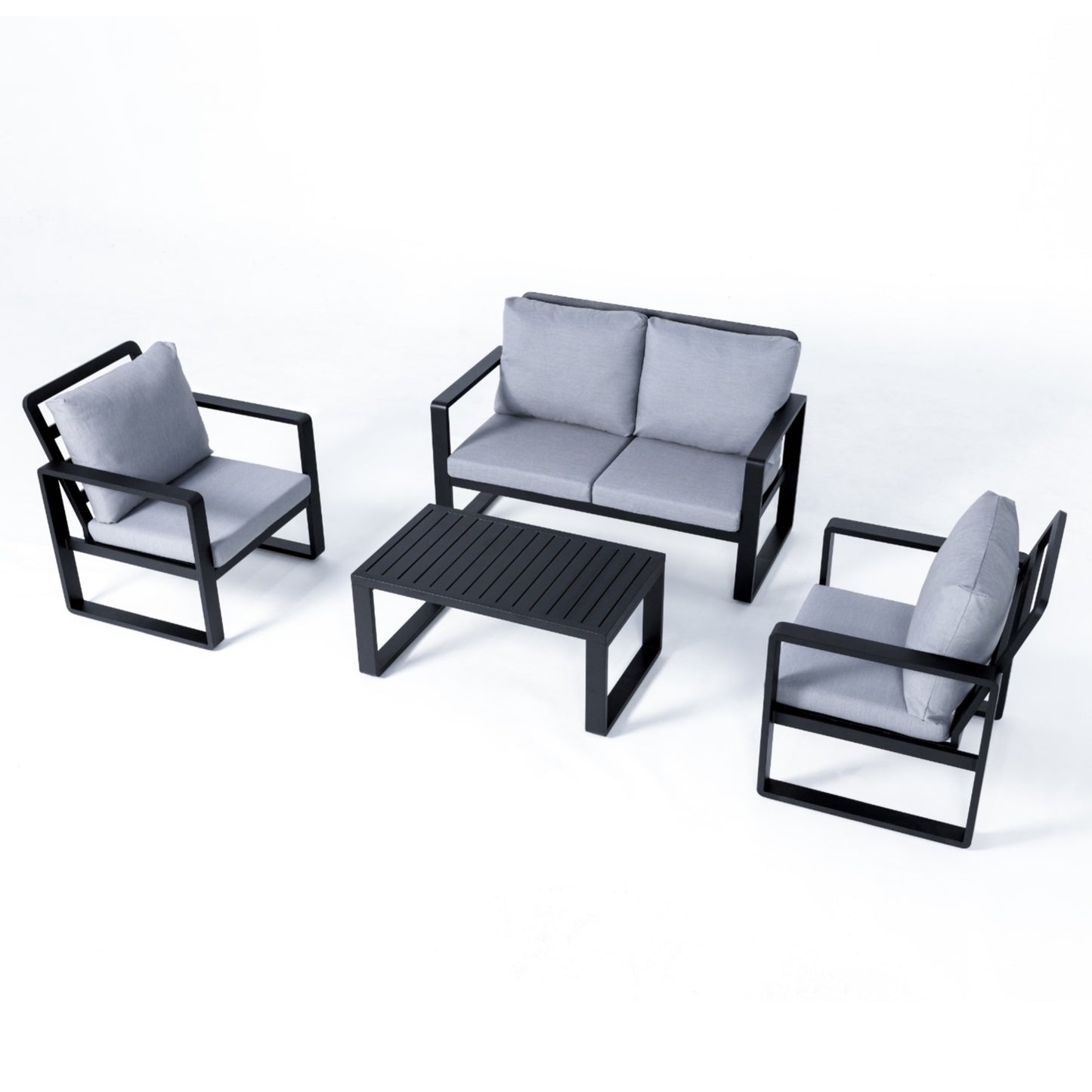
- Relaxation Zone: Include comfortable seating, such as outdoor sofas, lounge chairs, or hammocks, for adults to unwind.
- Dining Zone: Set up a table and chairs for family meals, snacks, or game nights.
- Garden Zone: Encourage kids and adults to garden together by including a small raised bed or container garden for growing flowers or vegetables.
2. Choose Durable and Safe Materials
Kid-friendly spaces need materials that are both safe and long-lasting. Opt for:
- Soft Surfaces: Use rubber mats, artificial turf, or mulch under play equipment to cushion falls.
- Splinter-Free Wood: For decks or play structures, choose treated wood or composite materials that are safe for small hands.
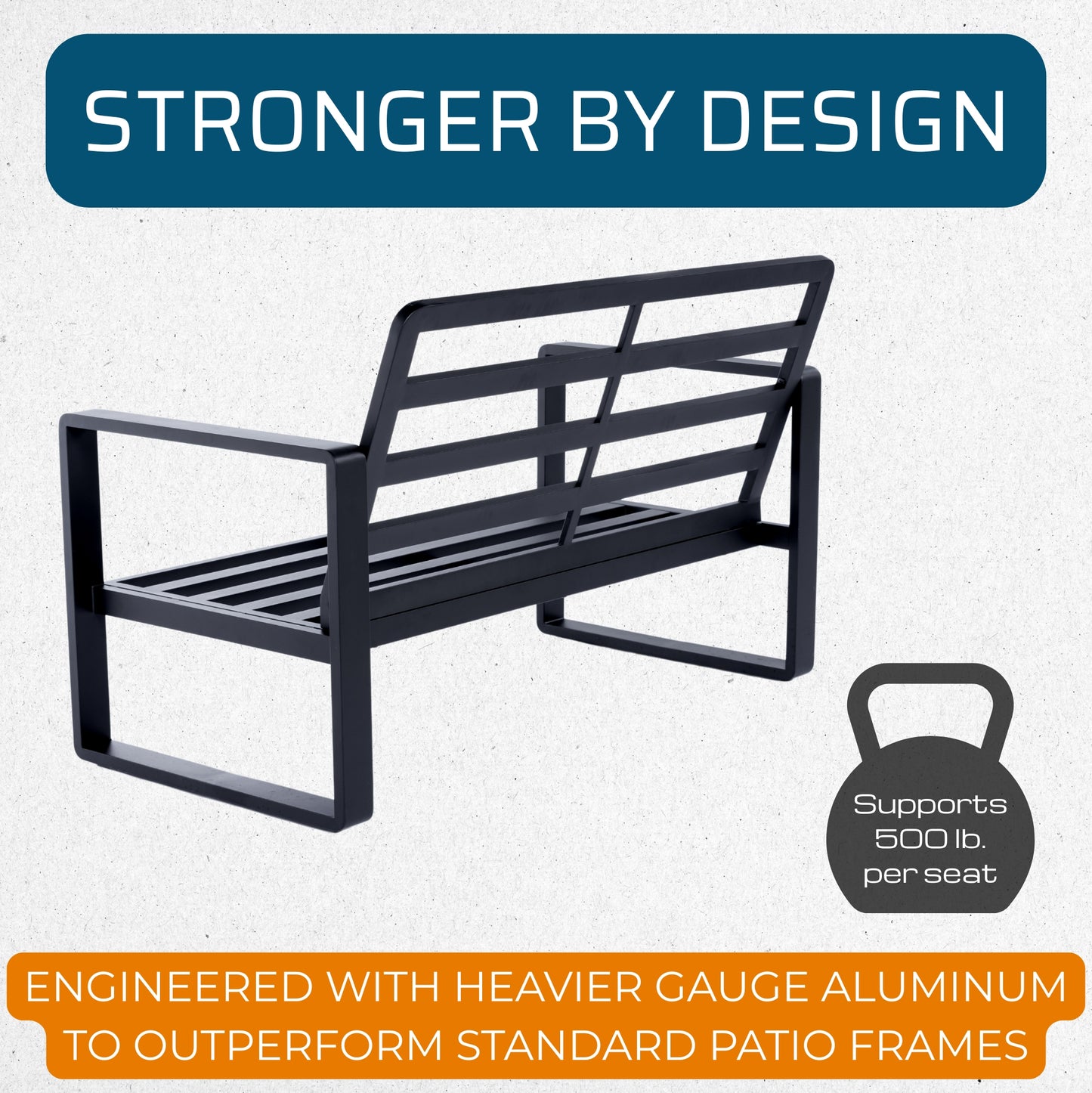
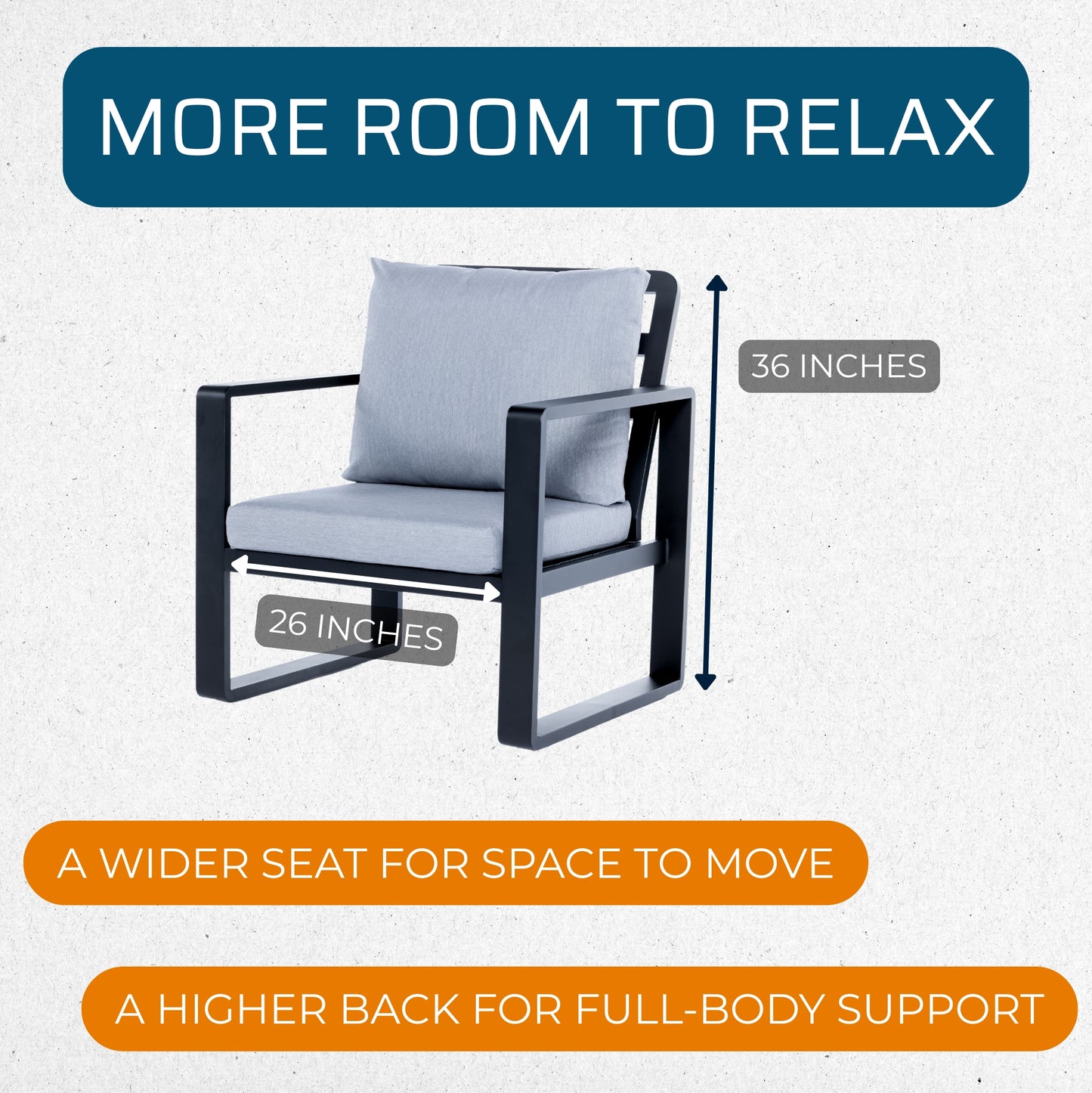
- Weather-Resistant Furniture: Select outdoor furniture made from durable, easy-to-clean materials like aluminum or resin wicker.
3. Add Multi-Functional Features
Maximize the versatility of your outdoor space by including elements that serve multiple purposes:
- Built-In Seating with Storage: Benches with hidden compartments can store toys, cushions, or gardening tools.
- Pergolas with Swings: A pergola can provide shade for adults and double as a frame for hanging swings or hammocks for kids.
- Convertible Tables: Consider a picnic table that transforms into a chalkboard or craft station for kids and dining space for adults.
4. Incorporate Interactive Play Elements
Encourage imaginative and active play with features that engage children while blending into the design:
- Climbing Walls: Install a small, colorful climbing wall on a fence or wall.
- Water Features: Add a splash pad, water table, or small fountain for kids to enjoy on hot days.
- DIY Play Areas: Create a mud kitchen, fairy garden, or outdoor chalkboard to inspire creativity.
5. Keep It Stylish with Smart Design Choices
Kid-friendly doesn’t have to mean sacrificing style. Incorporate playful elements in a way that complements the overall design:
- Color Palette: Use bright colors in the play area while keeping neutral tones for adult spaces to maintain balance.
- Hidden Play Features: Opt for subtle or integrated play structures, like a slide built into a landscaped hill or a playhouse that matches your home’s exterior.
- Natural Materials: Incorporate wood, stone, and plants to create a cohesive, organic look.
6. Include Plenty of Shade
Ensure the space is comfortable and safe from the sun by adding shade options:
- Pergolas or Gazebos: Provide a covered area for relaxing or playing.
- Umbrellas or Sail Shades: Use these over seating or play zones for easy, adjustable shade.
- Trees: Plant shade trees that kids can also climb or use for a treehouse in the future.
7. Encourage Family-Friendly Activities
Design your space to encourage activities that everyone can enjoy together:
- Outdoor Movie Nights: Set up a portable projector and screen for family movie nights under the stars.
- Game Stations: Include a cornhole board, bocce court, or ping pong table for games that appeal to all ages.
- Fire Pit: A fire pit is great for making s’mores, telling stories, or simply gathering as a family.
8. Emphasize Safety
Keep your outdoor space safe for kids without sacrificing functionality or aesthetics:
- Fencing: Install secure, attractive fencing to keep kids safe and provide privacy.
- Non-Toxic Plants: Avoid plants that are toxic if ingested, such as oleander or foxglove.
- Lighting: Use pathway lights and motion-activated fixtures to ensure the space is well-lit for evening play or gatherings.
9. Encourage Nature Exploration
Create opportunities for kids to connect with nature while enhancing the outdoor environment:
- Butterfly Garden: Plant flowers that attract butterflies or bees, like milkweed or lavender.
- Sensory Garden: Include plants with interesting textures, scents, and colors for kids to explore.
- Wildlife Habitats: Add a birdhouse, bee hotel, or small pond to foster curiosity about local wildlife.
10. Plan for Growth
Design the space with flexibility in mind so it evolves as your kids grow:
- Adjustable Equipment: Choose play structures that can be modified or added to over time.
- Open Lawn Space: Keep some open grassy areas for activities that change with age, like tag or outdoor yoga.
- Convertible Features: Ensure furniture and decor can transition from a kid-focused design to an adult-friendly aesthetic.
Final Thoughts
Designing a kid-friendly outdoor space doesn’t mean sacrificing sophistication or functionality. By incorporating thoughtful layouts, durable materials, and interactive features, you can create a space that meets the needs of kids and adults alike. Whether it’s for playtime, family dinners, or quiet relaxation, your outdoor area can become the perfect retreat for the whole family.